If you’ve heard the term technical SEO but never really understood what it means, don’t worry; you’re not alone. Many beginners think SEO is only about keywords or writing blog posts, but there’s a whole “behind-the-scenes” world that helps search engines properly find, read, and show your website. That backend world is what technical SEO is all about.

In this guide, you’re going to learn the basics of technical SEO in the simplest possible way, even if you have “zero experience. Think of this as a friendly introduction to the foundations of a healthy, high-performing website.

And yes, we’ll even mention the number 7 directly because your meta title needs it!

What Is Technical SEO?

Technical SEO is the part of SEO that focuses on improving the “infrastructure of your website. While regular SEO (like content writing or keyword research) is about what users see, technical SEO is about what search engines see.

Imagine your website is a house.
Content is the furniture.
Technical SEO is the wiring, plumbing, and foundation.

If the structure is weak, nothing else works well.

Technical SEO ensures:

  • Search engines can find and crawl your site
  • Your pages load fast
  • Everything works correctly on mobile
  • Your website is secure
  • Your site structure makes sense

When the “tech side” is clean and healthy, your website becomes easier to rank, which brings more visibility and traffic.

The 9 Vital Pillars of Technical SEO

To make the most impact, focus on these 9 critical areas of technical SEO (or technology SEO), as they form the foundation of a successful website.

1. Website Speed (Load Time)

Imagine clicking a link and waiting... and waiting... and waiting. You'd probably click the back button, right? Search engines know this, and they heavily reward fast websites.

  • The Goal: Make your pages load instantly.
  • The Simple Fixes:
  • Compress Images: Large photos are a big reason for slow speed. Use tools to shrink their file size without losing too much quality.
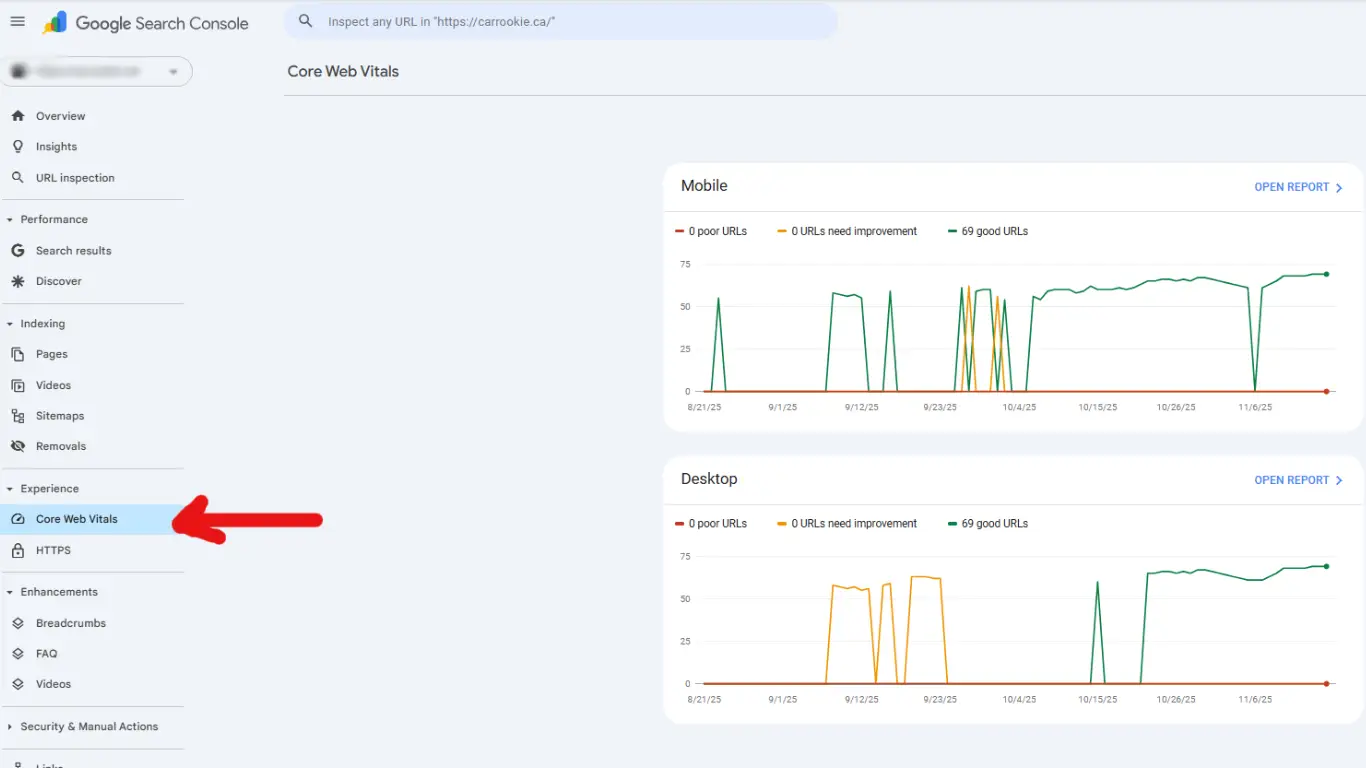
  • Core Web Vitals: Google uses a set of metrics called Core Web Vitals to measure the user experience of speed, interactivity, and visual stability. Aiming for great scores here is vital for your ranking.
SEO tech-Core Web Vitals

2. Crawlability and Indexing: The Robot's Roadmap

Search engines use "crawlers" (automated robots) to find and read all the pages on your website. They then add these pages to their massive database, called the "index." This is how your site becomes searchable.

  • Crawlability is the search robot's ability to access your pages.
  • Indexing is the process of storing your page in their system.
  • The Simple Tools:
    • XML Sitemaps: This is a list of all the pages on your site that you want search engines to know about. Think of it as a detailed map you hand to the robot.
    • Robots.txt File: This small file tells the robots where they can go and, more importantly, where they shouldn't go (like login pages or duplicate content).

3. Security: The Lock and Key (HTTPS)

Security is a non-negotiable part of technical SEO today. Google prefers to show users websites that are secure.

  • The Goal: Secure your website and the data of your users.
  • The Simple Fix: You need an SSL certificate, which encrypts the connection between a user's browser and your website. When you have one, your website address starts with HTTPS (the 'S' stands for secure) and shows a padlock icon in the browser.

4. Mobile-Friendliness

Most people use their phones to browse the internet. If your site looks broken, has tiny text, or is difficult to use on a smartphone, search engines will rank it lower.

  • The Goal: Ensure your website looks great and works perfectly on any screen size.
  • The Simple Concept: Your website should use a responsive design, meaning it automatically adjusts and resizes itself to fit the device being used (phone, tablet, or desktop).

Note: To see if your website is mobile-friendly, use the same page as “Speed Insight Speed tool.

5. Site Architecture and Structure: Keeping Things Tidy

Your website needs a clear and logical structure. A good structure helps users find what they need and helps search engine crawlers understand the relationship between your pages.

  • The Goal: Create a clear path from your homepage to every other page.
  • The Simple Fix:
  • Logical Hierarchy: Your homepage should link to main category pages, and those category pages should link to individual product or blog post pages. Keep your most important pages just a few clicks from the homepage.
  • Internal Linking: Link your pages to each other! If you mention a related topic in a blog post, link to the page that discusses it in detail. This connects your content and helps distribute ranking power.

6.Clean URLs: Simple and Descriptive Addresses

Your URL (the website address) is read by both users and search engines. A clean, simple URL is easy to remember and helps convey what the page is about.

  • The Goal: Make your URLs easy to read and relevant to the page content.
  • Example:
    • Bad URL: “raadwindeal.com/p?id=123&cat=blog-article”
    • Good URL: “raadwindeal.com/technical-seo"
  • The Rule: Keep them short, use keywords, and use hyphens (-) to separate words. Avoid using long strings of numbers and confusing characters.

Read More: Lead Generation

7. Fixing Errors (404s, Redirects, Broken Links)

A website with lots of errors feels broken to users and to search robots. Fixing Errors is a continuous task in technology SEO.

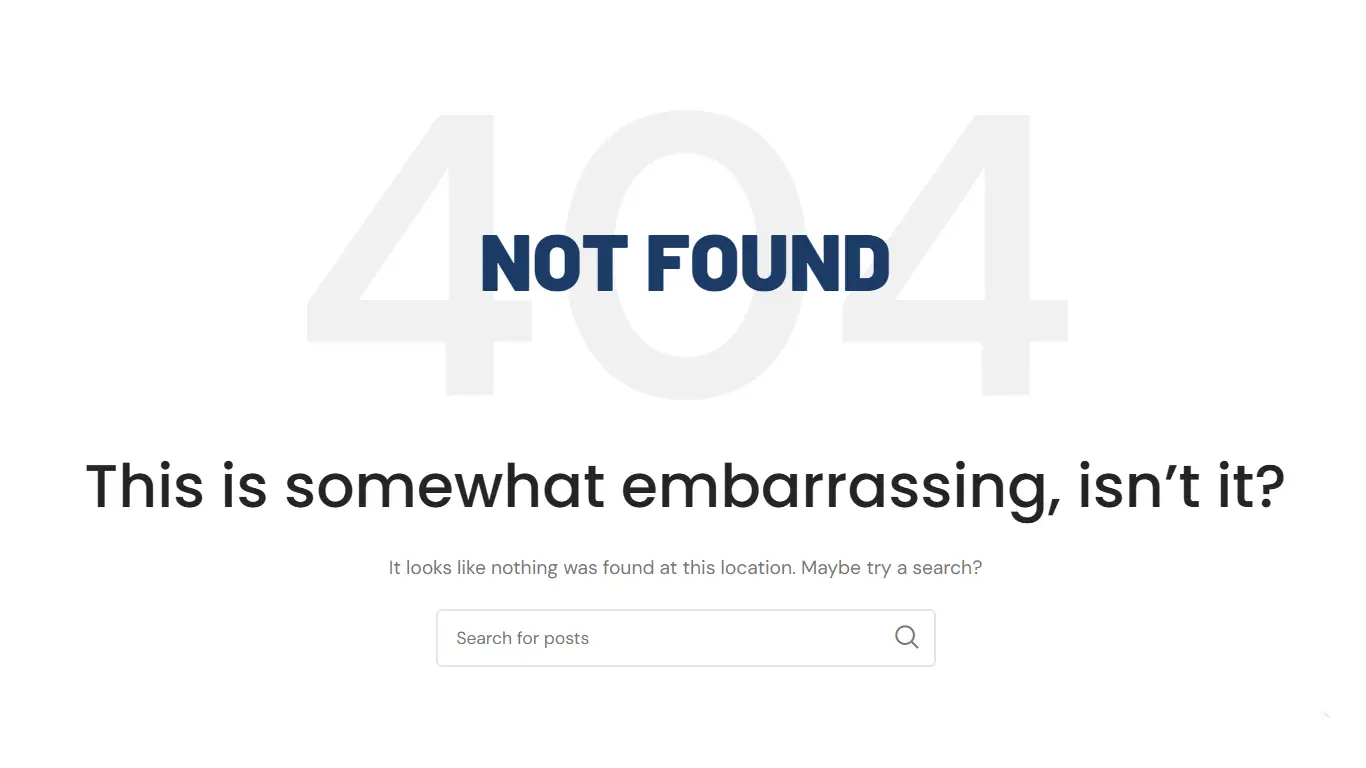
  • 404 Errors: These happen when a page you linked to is gone (the "Page Not Found" message).
  • Broken Links: These are links within your content that lead to a 404 error.
  • Redirects: When you move a page, you need a "301 Redirect" to permanently send visitors and search robots from the old address to the new address. Failing to do this causes a 404 error and loses the page's ranking power.
technology SEO - 404 error

8. Duplicate Content Issues

Search engines do not hate duplicate content, but they do get confused when the same or very similar content appears on multiple URLs within the same website. This makes it harder for them to know which page to rank or show to users. This is a common technical SEO challenge.

  • The Problem:
    The content may be fully identical or highly similar across different URLs. This can dilute ranking signals and cause search engines to index the wrong version of the page.
  • The Solution:
    Use canonical tags to tell search engines which page is the preferred or “original” version that should be indexed.
    You can also apply the "noindex" tag to less important or duplicate versions (such as printer-friendly URLs or filtered pages) to prevent search engines from indexing them.

9. Structured Data (Schema Markup)

This is an advanced but very powerful element of SEO tech. Structured data is code you add to your pages to help search engines understand the content even better.

  • The Goal: Clearly label your content for search engines.
  • The Benefit: It allows your content to be shown in special, attractive formats in search results, called "Rich Snippets." For example, a recipe can show the cooking time and a star rating right in the search result. An event can show the date and location. This makes your result stand out!

Need Expert Help with Technical SEO?

Mastering technical SEO can feel overwhelming, but it is one of the most powerful steps you can take to increase your website's visibility and user experience. If you’re ready to solidify your website’s foundation and dominate the search results, consider partnering with a full-service marketing expert.

The Toronto-based marketing agency, Raadwindeal (RWD), specializes in transforming online presence. RWD offers comprehensive services that cover every aspect of your digital strategy, including:

Let Raadwindeal handle the technical details so you can focus on your business.

Technical SEO FAQs

What is the main difference between a 301 and a 302 redirect?

A 301 redirect is permanent, meaning the old page is gone forever, and the search engine should send all the old page's ranking power to the new page. A 302 redirect is temporary and is used when a page is moved for a short time (like during maintenance), and the search engine should keep the original page in its index

Why should I care about my site's "load time," and how is it measured?

Your site's load time affects your bounce rate, how quickly people leave. If it takes more than 3 seconds to load, you lose a massive number of visitors. It is typically measured using tools like Google PageSpeed Insights, which gives you scores based on how long it takes for the most important content to become visible and interactive.

What does it mean to "disallow" something in the robots.txt file?

To "disallow" a page or a section of your website in the robots.txt file means you are explicitly telling search engine robots not to crawl or look at those files. This is useful for pages like administrator logins, private directories, or files that offer no value to search results.

Does Structured Data guarantee that I will get a Rich Snippet in search results?

No, structured data (Schema Markup) only makes your content eligible for a Rich Snippet. Google still chooses whether or not to display the Rich Snippet based on the page's overall quality, its relevance to the search query, and the general search layout.

How long does it take for technical SEO improvements to show results?

Most changes take 2–6 weeks to reflect in search engines, depending on crawl frequency and the scale of updates.

Do small websites still need technical SEO?

Absolutely. Even a 5-page website needs proper indexing, mobile-friendliness, and speed optimization to rank well.

Can technical SEO help reduce website hosting costs?

Indirectly, yes. When your site is optimized (lighter files, fewer errors, faster load), it uses fewer server resources, which can reduce hosting strain and cost.

Does technical SEO affect voice search results?

Yes. Clean structure, fast loading, and proper schema markup help search engines deliver your content in voice results more accurately.

Leave a Reply

Your email address will not be published. Required fields are marked *